Introduction to Carpentry Basics
As the demand for residential and commercial carpentry services continues to grow in San Antonio, TX, it's crucial for homeowners and business owners to understand key carpentry terms. Whether you're planning a renovation, new construction, or simply want to communicate effectively with your carpenter, understanding the basics can make a significant difference. In this guide, we simplify essential carpentry concepts for non-experts, helping you navigate your next project with confidence.
Framing: The Backbone of Building
Framing is the process of constructing the skeleton of a building. It involves creating the structure that supports the walls, roof, and floors. In both residential and commercial projects, framing is typically done with wood or steel. Here's a breakdown of the main components:
- Studs: These are the vertical wooden or metal beams that form the walls' framework.
- Joists: Horizontal beams that support floors or ceilings.
- Rafters: Beams that form the shape of the roof.
Understanding these terms helps you discuss structural integrity and design options with your carpenter.
Joinery: The Art of Connecting
Joinery refers to the methods used to connect different pieces of wood without nails or screws. It's a critical skill for creating durable and aesthetically pleasing structures. Common types of joinery include:
- Mortise and Tenon: A strong joint where a tenon on one piece fits snugly into a mortise hole on the other.
- Dovetail: Known for its strength, this joint is often used in drawer construction.
- Lap Joint: Simplistic and effective, two pieces overlap and are fastened together.
Recognizing these techniques can help you assess the quality and craftsmanship of carpentry work.
Finishing: Adding the Final Touches
Finishing carpentry involves the final details that enhance the appearance and functionality of a structure. This phase includes:
- Trim: Decorative elements like baseboards, molding, and casings.
- Sanding: Smoothing surfaces to prepare for paint or stain.
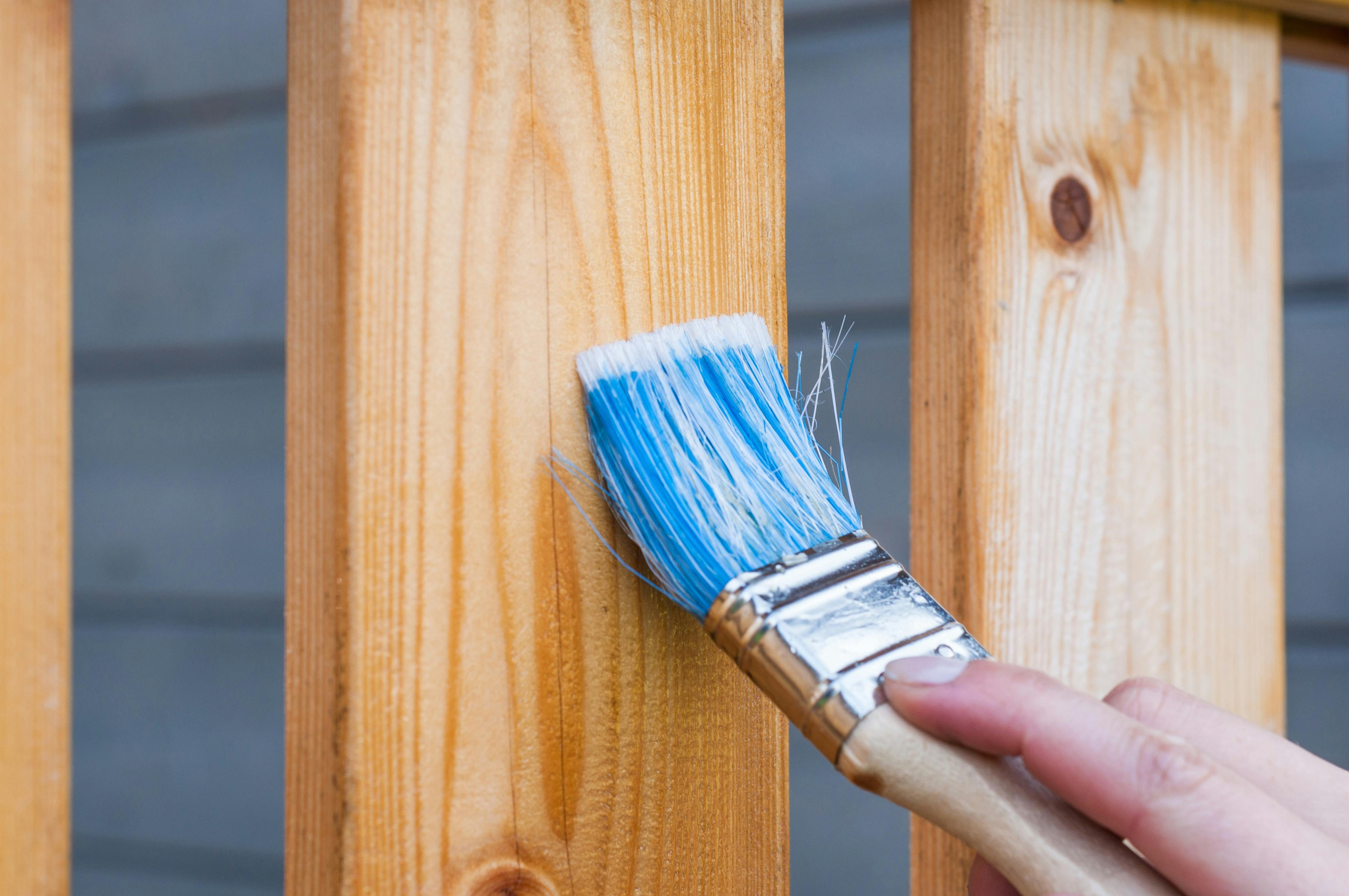
- Painting and Staining: Applying color or protective coatings to wood surfaces.
Understanding finishing helps you communicate your stylistic preferences and ensures the final product meets your expectations.
Tools of the Trade: Essential Carpentry Equipment
Carpenters rely on a variety of tools to complete their projects efficiently. Familiarizing yourself with these tools can provide insight into the carpentry process:
- Hammer: Used for driving nails and assembling components.
- Saw: Various types, such as circular, jigsaw, and miter saws, are used for cutting wood.
- Level: Ensures that surfaces are even and plumb.
- Drill: Essential for making holes and driving screws.
Knowing these tools can help you understand the complexity and time involved in your carpentry projects.
Conclusion: Empowering Your Carpentry Decisions
By demystifying carpentry terms and concepts, you're better equipped to make informed decisions and communicate effectively with your carpenter. This understanding not only enhances the quality of your interactions but also ensures that your residential or commercial project in San Antonio, TX, aligns with your vision. At Ahrens and Hammer Carpentry, we're committed to transparency and excellence, helping you achieve your construction goals with clarity and confidence.
For more detailed advice or to discuss your upcoming project, feel free to reach out to our expert team. We're here to transform your carpentry concepts into reality.