Introduction: The Importance of Choosing the Right Material
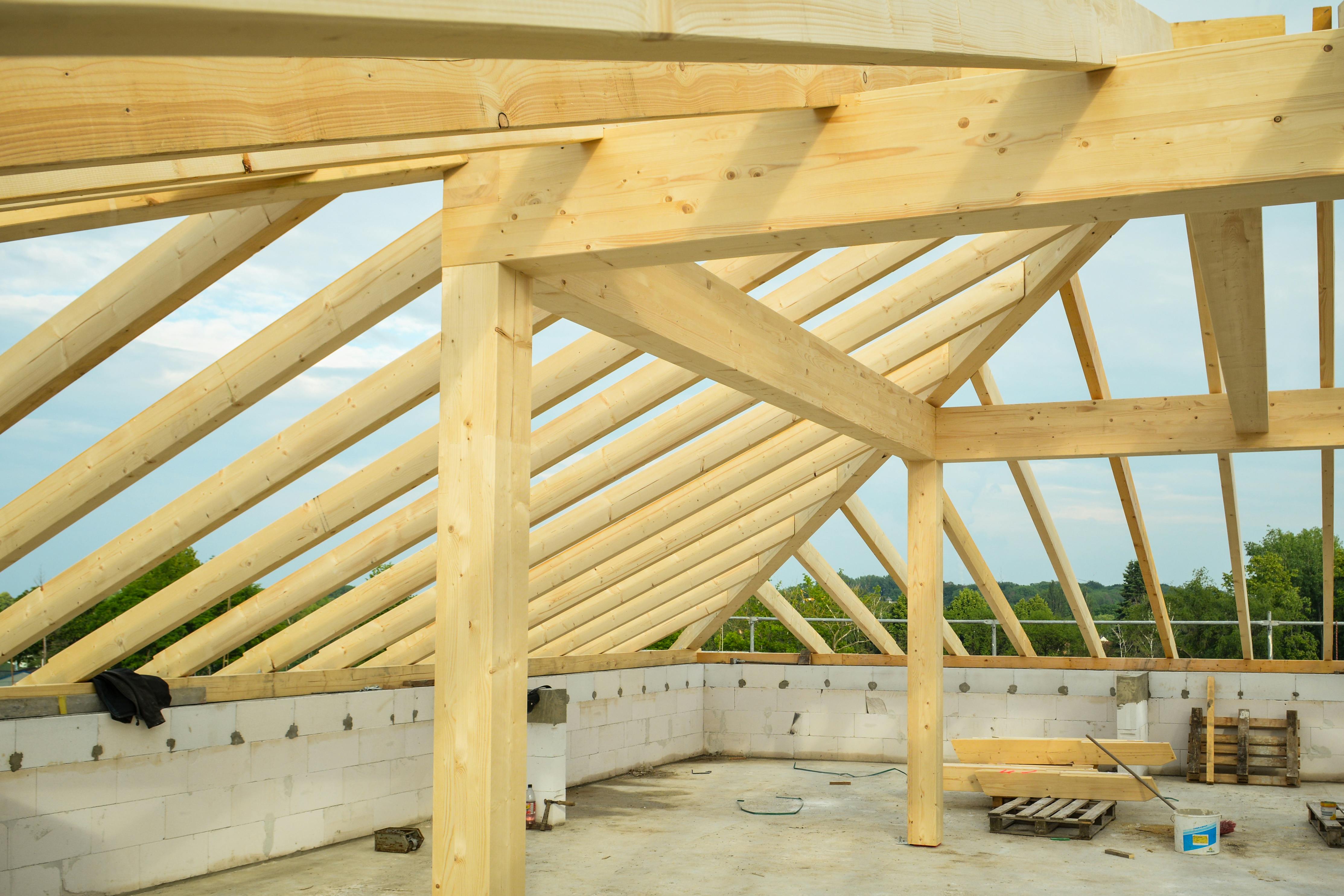
When embarking on a carpentry project in San Antonio, TX, whether residential or commercial, selecting the appropriate material is crucial. The material you choose can significantly impact the project's durability, aesthetics, and overall cost. This guide will compare various carpentry materials, helping homeowners and businesses make informed choices suited to the unique demands of the San Antonio climate and architectural styles.
Understanding the San Antonio Climate
San Antonio's climate is characterized by hot summers and mild winters, with occasional humidity. These conditions can affect the longevity and performance of carpentry materials. Therefore, selecting materials that withstand these elements is crucial for both residential and commercial projects.
Common Carpentry Materials: Pros and Cons
Wood
Pros: Wood is a classic choice, offering natural beauty and versatility. It can be used for both structural and aesthetic purposes, making it suitable for a wide range of projects.
Cons: Wood is susceptible to moisture and pests, which can lead to warping or decay over time. Regular maintenance is necessary, especially in humid conditions.
Composite Materials
Pros: Composite materials, such as engineered wood or fiber cement, offer durability and resistance to pests and moisture. They are ideal for outdoor applications like decking in San Antonio's climate.
Cons: Initially more expensive than natural wood, composites may not offer the same natural aesthetic appeal, although they require less maintenance.
Metal
Pros: Metals like steel and aluminum are excellent for structural components due to their strength. They are also resistant to pests and fire, making them a safe choice.
Cons: Metals can be prone to rust if not properly treated, especially in areas with high humidity. They may also require specialized tools and skills for installation.
Concrete
Pros: Concrete is incredibly durable and can withstand extreme weather conditions. It is often used in commercial projects for its strength and low maintenance requirements.
Cons: Concrete is heavy and can be more costly to install. It also lacks the aesthetic warmth of natural materials like wood.
Comparing Material Costs and Longevity
When planning a carpentry project, it's essential to consider both the initial costs and the long-term investment associated with each material. While wood may have a lower upfront cost, the maintenance expenses over time can add up. On the other hand, composite materials and metals, although pricier initially, often offer better longevity and lower maintenance costs.
Decision-Making: Factors to Consider
When deciding on the right material for your San Antonio carpentry project, consider the following factors:
- Project Type: Is the project residential or commercial? Does it require structural integrity or aesthetic appeal?
- Environmental Concerns: How will the material perform in San Antonio's climate?
- Budget: What are the initial and long-term costs associated with each material?
- Maintenance: How much time and effort are you willing to invest in maintenance?
Conclusion: Making the Right Choice
Choosing the right carpentry material is not just about cost; it's about finding a balance between durability, aesthetics, and maintenance. By understanding the pros and cons of each material and considering the unique conditions of San Antonio, you can make an informed decision that ensures the success and longevity of your project.
For expert advice and professional carpentry services tailored to your needs, contact Ahrens and Hammer Carpentry. Our team is here to help you choose the best materials for your specific project, ensuring quality and satisfaction every step of the way.