Introduction to Carpentry for Non-Experts
Carpentry is an essential part of both residential and commercial construction, offering the framework and finish for countless projects. For those new to the world of carpentry, the technical jargon and processes can be overwhelming. Whether you're a homeowner in San Antonio looking to understand a renovation project or a business evaluating carpentry work, this guide breaks down the basics in simple terms.
What is Carpentry?
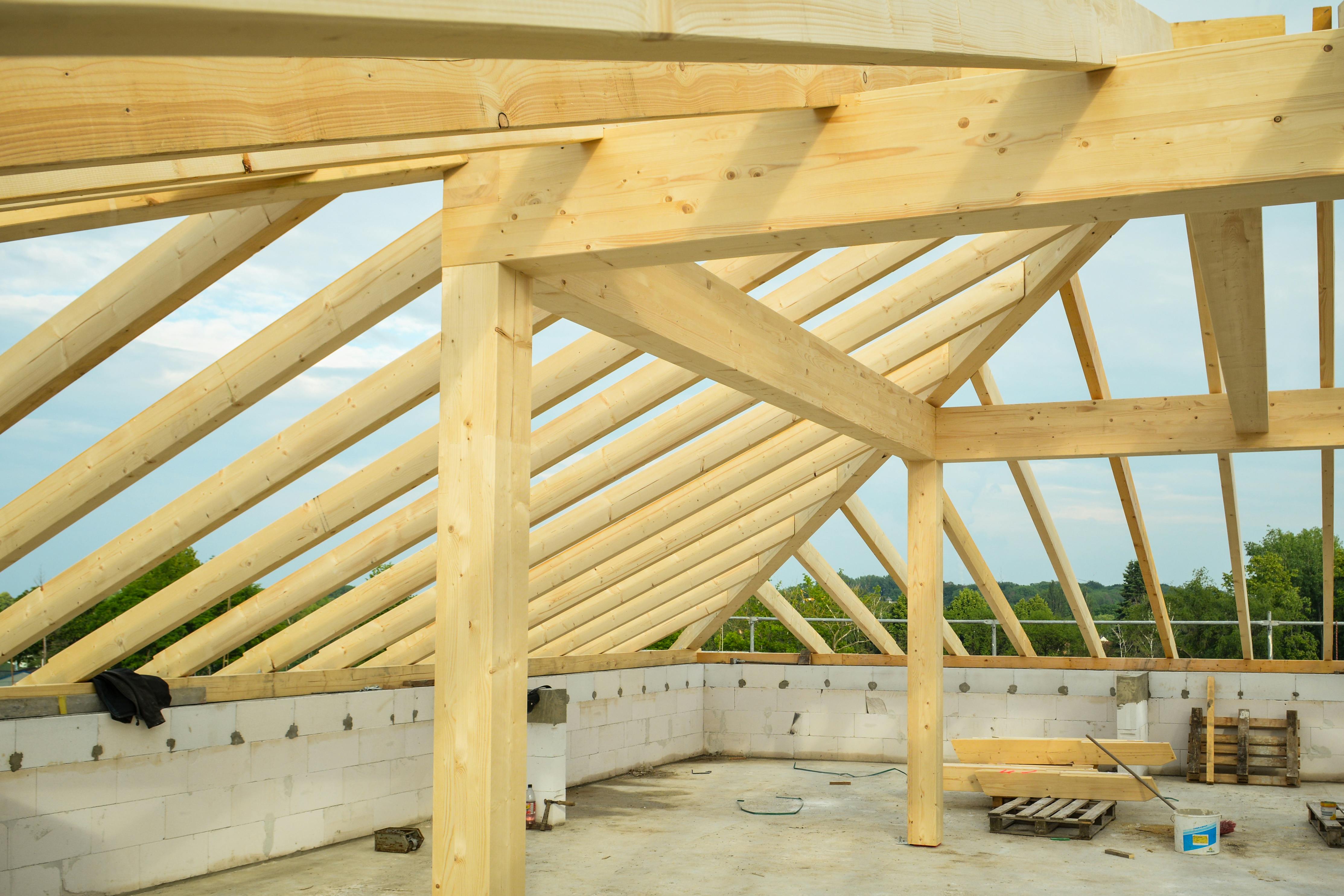
At its core, carpentry involves the construction, installation, and repair of wooden structures and fixtures. Carpenters work on everything from building frameworks and installing windows to crafting custom cabinetry. Understanding the different types of carpentry can help you better communicate your needs to professionals.
Types of Carpentry
- Rough Carpentry: Focuses on the structural aspects of building, such as framing walls and roofs.
- Finish Carpentry: Involves detail-oriented work like trimming, molding, and installing doors and windows.
- Cabinetry: Specialized carpentry focused on creating kitchen cabinets, bookshelves, and other storage solutions.
Basic Carpentry Tools Explained
Carpentry requires a variety of tools, each serving a specific purpose. Here are some fundamental tools you might encounter:
- Hammer: Used for driving nails into wood and other materials. A claw hammer also allows you to pull nails out.
- Saw: There are many types, including hand saws for precise cuts and power saws for larger projects.
- Level: Ensures surfaces are perfectly horizontal or vertical.
- Drill: Used to make holes or drive screws into wood.
- Chisel: Ideal for carving or cutting hard materials like wood.
Common Carpentry Techniques
Understanding basic carpentry techniques can help you follow along with your project or attempt small tasks yourself.
Measuring and Cutting
Accurate measurements are critical in carpentry. The phrase "measure twice, cut once" underscores the importance of precision. Tools like tape measures and squares help ensure exact measurements before cutting materials.
Joining Methods
Joining wood pieces is a fundamental carpentry skill. Here are a few common methods:
- Nailing: The most straightforward method, using nails to fasten wood together.
- Screwing: Offers a stronger hold and is often used for assembling furniture or cabinetry.
- Gluing: Often used in conjunction with nails or screws for added strength.
Carpentry and Sustainability
In 2026, there's a growing emphasis on sustainable practices in carpentry. Opting for eco-friendly materials and methods not only benefits the environment but can also improve the value and efficiency of your property.
Sustainable Materials
Look for certified sustainable wood products and reclaimed materials. These options reduce environmental impact and often come with unique character and history.
Energy Efficiency
Properly executed carpentry can enhance your home's energy efficiency. Well-insulated walls and precision-fitted windows and doors can significantly reduce heating and cooling costs.
Choosing the Right Carpentry Service in San Antonio
When selecting a carpentry service, consider the following factors:
- Experience: Look for a service with a proven track record in both residential and commercial projects.
- Reputation: Check online reviews and ask for references. A reputable carpenter will have satisfied clients willing to share their experiences.
- Communication: Choose a team that listens to your needs and explains processes clearly.
Conclusion
Understanding the basics of carpentry can empower you as a homeowner or business owner in San Antonio. By familiarizing yourself with terms, tools, and techniques, you can make informed decisions about your projects. Whether you're planning a simple home renovation or a complex commercial build, effective communication with your carpenters will ensure a successful outcome. For further assistance or to discuss your next project, contact Ahrens and Hammer Carpentry—your trusted partners in quality craftsmanship.